Begonia 'Gryphon' Original price was: £10.00.£8.00Current price is: £8.00.

Summer Plants
Begonia 'Gryphon' Original price was: £10.00.£8.00Current price is: £8.00.

Primula Collection £15.00


Most gardeners have at least one dark or shady spot in their garden. Shade can be difficult for plants as it creates a cool environment and is often coupled with extremes of dry or very damp soil. However, there are plenty of shade loving flowers and shrubs that tolerate these low-light conditions so it doesn’t need to remain bare for long.
Shady corners needn’t be left bare. Here are some of our top tips to help you make the most of this space.

In order to grow plants that thrive in the shade, you need to choose one that is suitable for your particular conditions. In short: you need to understand the type of shade in your garden.
At the top of the list, there’s “full sun”, which is just what you’d imagine – a spot in the garden that gets more than six hours of sun during the day (at midsummer). This moves down through:
In addition to the amount of shade your garden gets, you’ll also need to think about whether the ground is dry or wet in order to choose the best plants.
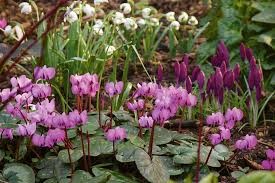
Dry shade often occurs in urban gardens. Usually, it’s the kind of shade found at the base of walls that face away from the direction of the wind, meaning the ground is sheltered from the rain. Dry shade also occurs beneath large trees with shallow roots. The leaves prevent rain reaching the ground and the soil moisture is further depleted by the shallow root system of the tree. These problems may be further exacerbated if your soil is sandy or shallow and chalky.
The most important thing to do before planting is to improve your soil’s ability to hold water. You can do this by digging in lots of organic matter (such as well-rotted manure or compost) during the spring or autumn. It’s also worth adding mulch around the base of your plants after the soil is damp from seasonal rainfall (also in the spring and autumn). Suitable mulches include organic matter, decorative stones, gravel or bark chippings.
Another trick is to create a wide planting hole and line it with perforated polythene. Mix the excavated soil with well-rotted manure or compost before backfilling the hole. The polythene should help retain more water for your plants. Remember that new plants won’t have an established root system so will need constant watering in their first season.

Damp shade naturally occurs in areas of woodland or forest where the cool, moist environment is ideal for foliage plants such as ferns and hostas. In gardens, these conditions may occur near water or in areas with clay soil.
As with dry shade, the most important thing to do before planting is to improve your soil by digging in plenty of organic matter, such as well-rotted manure or compost. This will improve drainage, which is particularly helpful if you have heavy clay soil. It’s also worth applying a mulch of organic matter around the base of your plants every year in the spring. This will break down over time and further improve your soil structure.
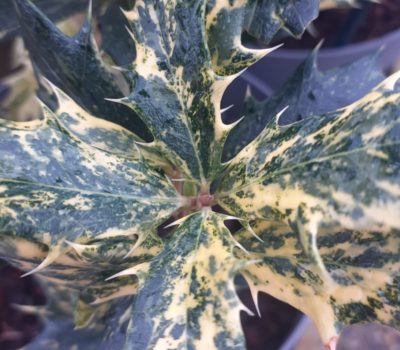
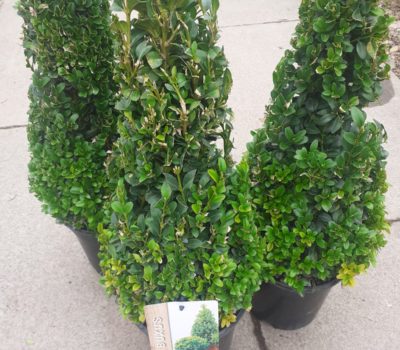
There are lots of shrubs that grow equally well in areas of dry or damp shade including Mahonia, the non-fussy Symphoricarpus (Snowberry), Viburnum and Sarcococca (Sweet Box).
For dry shade, you can plant:
For damp shade, you can plant:
Perennials do particularly well in the shade, and you’ll find a huge variety for darker areas of your garden. Some, like Bergenia cordifolia (Elephant’s Ears) and Convallaria (Lily-of-the-Valley) work equally well in damp or dry shade. Some you’ll need to pick according to the conditions in your garden.
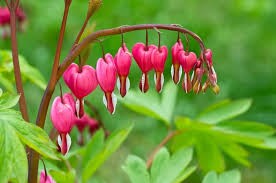
For dry shade, you can plant:
For damp shade, you can plant:
How to care for Pleione Orchids
Growth Phase The young Pleione shoots develop in March/April and flower in the spring. After flowering, the plant continues to develop its foliage and to mature its bulbs. Come the autumn, Pleione’s go into their winter dormancy,...
Summer Plants
Begonia 'Gryphon' Original price was: £10.00.£8.00Current price is: £8.00.
Primula Collection £15.00


How to care for Pleione Orchids
Growth Phase The young Pleione shoots develop in March/April and flower in the spring. After flowering, the plant continues to develop its foliage and to mature its bulbs. Come the autumn, Pleione’s go into their winter dormancy,...
Summer Plants
Begonia 'Gryphon' Original price was: £10.00.£8.00Current price is: £8.00.
Primula Collection £15.00

The young Pleione shoots develop in March/April and flower in the spring. After flowering, the plant continues to develop its foliage and to mature its bulbs. Come the autumn, Pleione’s go into their winter dormancy, and the leaves yellow, fade and disappear. Over the years, the bulbs divide to form increasingly large masses.
During the winter, the plant is at total rest and only the bulb persists. Keep it dry and sheltered from severe frost during the entire winter period until the resumption of growth at the end of the winter.
At the beginning of spring, when the bulbs start to germinate, moisten the substrate very slightly.
The old desiccated pseudobulbs can be removed.

Tolerating temperatures down to -10, Pleione’s can be grown outside in some areas of the UK, however, drainage has to be good and a little protection in the way of conifer branches will help.
Pleione’s are also very suitable to growing in a container. The bulbs should not be buried in the substrate but planted so that a third of their size protrudes from the compost.
Once the growth has begun, never depot the plant: Pleione’s are unable to reform broken roots. The bulbs therefore should not be disturbed as from the moment when the shoots start to germinate.
These orchids are highly tolerant with regard to their substrate. You can keep them in peat-based substrates or in mixtures of bark chippings, moss and compost.
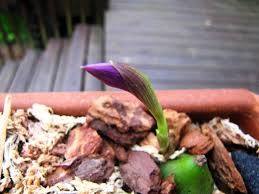
The ideal exposure will be semi-shaded. A site in the sun is not excluded but then take care to keep the substrate wet as from the spring and during the entire summer. In order to prevent the substrate from drying too quickly during the growth period, you can cover it with a layer of moss & bark chippings.
Pleione’s are gross feeders during the growing season and will benefit from a liquid feed at this time.
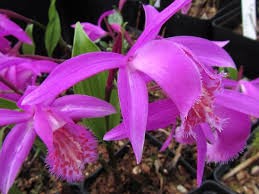
How to care for Pleione Orchids
Growth Phase The young Pleione shoots develop in March/April and flower in the spring. After flowering, the plant continues to develop its foliage and to mature its bulbs. Come the autumn, Pleione’s go into their winter dormancy,...